BenefitHub
- 4.6
- Rating
- 100.00K
- Installs
- Free
- Price

 Analysis by App-foxy
I approached BenefitHub as a shopping companion rather than a conventional online store. Developed by BenefitHub, it is a benefits and rewards platform that brings eligible offers into one mobile place. That distinction matters: the app is not mainly about browsing a universal product catalog, filling a cart, and checking out in one consistent storefront. Its usefulness depends on finding relevant benefits, understanding the terms attached to them, and then deciding whether an offer genuinely improves a purchase I was already planning to make.
That makes it most interesting for people who regularly receive employee, membership, or organization-based benefits and want an easier way to remember and use them. I found the idea practical because discounts are often forgotten when they are buried in emails, intranet pages, or separate partner websites. At the same time, the experience is less predictable than using a single retailer’s app. The value can change from one offer to another, and the quality of the journey depends heavily on the connection between the app, the offer provider, and the final shopping process.
How BenefitHub feels when the network is doing the work
The first thing I noticed is how central connectivity is to the experience. A benefits platform needs to load current offers, display information supplied by participating merchants or benefit programs, and move me toward another shopping destination when an offer requires it. In practical terms, the app is most useful when I have a stable connection and enough time to inspect an offer before acting on it.
You May Also Like

 AccuWeather: Weather Radar
AccuWeather Review: A Quick, Clear Forecast for Everyday Decisions
For everyday plans, the best forecast is the one you can understand quickly. AccuWeather makes rain timing, radar, and local conditions easy to act on, with a few trade-offs.

 Hill Climb Racing
Why Hill Climb Racing Still Turns Crashes Into One More Run
A tiny car, a bumpy hill and one more upgrade: Hill Climb Racing keeps resurfacing because its simple chaos makes every near-miss feel personal.

 AliExpress - Shopping App
AliExpress Makes Global Shopping Feel Personal, but Shoppers Bear the Risk
AliExpress turns a global marketplace into a pocket-sized discovery engine. Its reach is useful, its shopping loop compelling, and its trade-offs easy to miss.

 Lords Mobile: Kingdom Wars
Lords Mobile Is a Kingdom-Building Routine, Not a Quick Match
A case-by-case verdict on the building, battles, device demands, and social commitments that make Lords Mobile rewarding for some players and exhausting for others.

 PDF Scanner app - TapScanner
TapScanner Makes Paperwork Easier to Capture, Check, and Share
TapScanner makes scanning with a phone feel less like a rescue operation and more like a dependable step in getting work done. Its capture tools are useful, though not flawless.

 Block Blast!
 Shows How Much a Puzzle Game Can Leave Out
A quiet grid game shows why puzzle players increasingly value instant clarity, repeatable skill and low-pressure play—and where the genre still needs to catch up.
More From Our News Desk
View All News


This is different from a notes app where I can prepare everything in advance, or from a retailer app that keeps a familiar catalog close at hand. With BenefitHub, I would not treat a remembered offer title as proof that I can use it immediately. I would open the relevant listing, check its conditions, and follow the route presented there. That small habit prevents a common mistake: assuming that seeing a discount is the same as having a discount ready to apply.
A realistic example is planning a weekend purchase while commuting. I might remember that my benefits include savings in a category I need, open the app on the train, and start comparing the available choices. If the connection is strong, this can turn a vague intention into a useful shortlist. I can inspect the offer before reaching the shop, rather than searching through old messages at the checkout. If the connection becomes unreliable, however, the process can stop at the exact moment when I need the details most.
The important mindset is to use BenefitHub as a live benefits directory, not as a guaranteed offline wallet. I would avoid relying on an offer page that has not fully loaded, especially when the purchase is time-sensitive or the merchant’s redemption process is unfamiliar. Checking the offer while connected, before leaving home, is a simple improvement that makes the mobile experience much less stressful.
Connectivity also affects discovery. A benefits platform is valuable partly because it can expose options I would not think to search for directly. That benefit disappears if I only open the app after arriving at a store with poor reception. I get more from it when I browse calmly, save the useful details in my own memory or planning routine, and then make the purchase with a clear understanding of what the offer expects.
Using it in everyday mobile situations
The app fits short sessions well. I can imagine opening it during a lunch break, before booking something, or while comparing the total cost of a planned purchase. Those are better situations than trying to explore every benefit while standing in a queue. A small screen encourages quick decisions, so I prefer to use the app for targeted questions: Is there a relevant offer? What kind of redemption route does it use? Is it worth continuing to the merchant?
That workflow is more effective than aimless scrolling. I would begin with the purchase category I already have in mind, then inspect only the options that could affect that decision. This is one of the less obvious strengths of a benefits platform: it can change the order of shopping. Instead of choosing a retailer first and looking for a discount afterward, I can check my available benefits before committing to a seller.
There is also a useful distinction between browsing at home and using the app in a physical store. At home, I have time to read conditions and compare alternatives. In a store, I may be tempted to accept the first offer that appears because I want to finish quickly. The app is better suited to preparation than last-second improvisation, particularly when the final redemption step may happen outside the app.
I would also be careful with public networks. This is not because I have a specific security claim about the app, but because any shopping-related session deserves ordinary caution. I would avoid entering sensitive information on an unfamiliar network, and I would confirm that I am following the intended merchant or benefit route before proceeding. That is sensible behavior for mobile shopping generally, and it becomes more important when several services may be involved in one transaction.
For someone who uses a phone mainly for direct purchases, the experience may feel less immediate than a standard retailer app. BenefitHub’s role is to help me reach value, not necessarily to replace every retailer’s checkout. I see that as a trade-off rather than a defect. It adds a discovery layer, but that layer can mean extra taps, a handoff to another page, or a separate redemption step.
What happens when loading fails or an offer does not open
Network friction is the area where I would set the most realistic expectations. A blank page, a delayed offer, or a failed transition can make a good benefit feel unusable even when the underlying offer is still available. The right response is not to keep tapping repeatedly. I would first check whether the rest of the app loads, then retry once after moving to a stronger connection or switching between mobile data and Wi-Fi.
If the app opens but a particular offer does not, I would treat that as an offer-level problem rather than assuming the entire platform is broken. Returning to the previous screen, reopening the listing, and checking whether the merchant route loads normally can help identify where the interruption occurred. If the benefit has a distinctive name or condition, I would note it before retrying so I do not accidentally choose a similar-looking option.
This recovery process is especially important when an offer sends me elsewhere. A handoff can fail because of the network, the destination, or the session itself. I would not assume that repeatedly reopening the same page has completed anything. Instead, I would verify the destination and the final purchase terms before considering the benefit successfully used.
My practical rule would be to prepare a fallback. If the purchase is optional, I can wait and try again later. If I am already at the checkout, I would avoid arguing from a partially loaded screen and would confirm whether the saving is actually recognized. BenefitHub can help me find an opportunity, but the final transaction may still be governed by the participating provider’s process.
This is also where the app differs from a retailer loyalty app. A loyalty app usually has one account, one catalog, and one redemption logic, so troubleshooting is more contained. BenefitHub can be broader and more useful before a purchase, but the route may be less uniform. I would choose it when discovering and comparing benefits matters more than having a single perfectly controlled checkout.
Making sensible choices with mobile data
I would not expect a benefits platform to be particularly demanding during casual browsing, but repeated image loading, refreshing, and opening several merchant pages can still consume more data than a short text search. My approach would be simple: use Wi-Fi for extended exploration, avoid refreshing an offer that is already visible, and open only the listings that match a real purchase.
This is not just about saving data. Fewer unnecessary requests also make the experience easier to follow. When I open many offers in quick succession, I can lose track of which conditions belong to which provider. A focused session lets me compare the important details without creating a confusing trail of browser pages or app transitions.
On a limited mobile plan, I would browse the platform before leaving home and make a short mental note of the offers that seem relevant. I would still verify the live details when I am ready to redeem, because preparation should not become an excuse to rely on stale assumptions. The balance is to reduce unnecessary browsing while keeping the final decision connected to the current offer page.
Battery use is another practical consideration during long shopping trips. Constantly searching, switching between services, and reopening failed pages is inefficient. I would start with a clear category or purchase goal, inspect the strongest candidates, and stop once I have enough information to choose. This turns the app into a planning tool instead of an endless stream of discount hunting.
Who benefits most from this approach
BenefitHub is a good match for someone whose benefits are spread across many possible shopping situations and who tends to forget them. It is also useful for a person who compares the total value of a purchase rather than automatically returning to the same retailer. Students, families, and frequent shoppers may appreciate the reminder effect, provided they have access to a relevant benefits program and are willing to read each offer’s conditions.
I would be less enthusiastic about it for someone who wants every purchase handled inside one familiar store app. If I already know exactly where I will buy something and that retailer offers a strong, simple loyalty system, the extra discovery step may not be worthwhile. Likewise, a person who rarely shops through benefit programs may open the app only occasionally and see less value from building it into a routine.
The app is free, which removes an obvious barrier to trying it. It is rated for Everyone, so its presentation is intended for a broad audience rather than a narrowly defined age group. Its current version is 15.13.43, and it runs on Android devices using version 7.0 or later. Those details make it accessible to people using older supported Android phones, although the quality of the experience will still depend on the phone, connection, and the way each offer is delivered.
Its public adoption suggests that it is not an obscure experiment: the app has passed one hundred thousand installs, with an average rating of 4.4 from roughly nine hundred ratings and more than a hundred written reviews. I read that as encouraging but not conclusive. A rating can indicate that the basic concept works for many people, while individual satisfaction still depends on whether the available benefits are relevant and whether redemption is smooth in a particular case.
Where it sits beside ordinary shopping alternatives
Compared with coupon websites, BenefitHub feels more connected to a user’s benefits context, which can make discovery more relevant than searching the entire web for random codes. Compared with retailer apps, it offers a broader starting point instead of locking me into one seller. Compared with email newsletters, it is easier to revisit when I am actively shopping rather than waiting for a message to resurface.
The trade-off is consistency. A retailer controls its product pages, checkout, and loyalty rules in one place. A benefits platform may guide me toward different providers, each with its own conditions and final steps. I would choose BenefitHub when the chance to uncover a suitable benefit outweighs the convenience of staying inside one retailer’s ecosystem.
One useful workflow is to compare the benefit-adjusted choice with the ordinary choice, not merely to search for the biggest-looking discount. A lower advertised price may still be less attractive if it requires an inconvenient merchant, a separate redemption action, or a purchase I would not otherwise make. The app helps with discovery, but I still need to judge delivery, timing, and overall value outside the headline offer.
My connectivity verdict after using the platform
BenefitHub works best when I treat connectivity as part of the shopping plan. I would browse while connected, read the conditions before travelling, and avoid making a last-second purchase depend on a page that has not loaded. I would also keep a fallback option for important purchases, because a benefits platform can point me toward savings without controlling every step after the handoff.
The strongest use case is deliberate shopping: I know what I need, I check whether a relevant benefit exists, and I compare the resulting choice with the normal alternatives. The weakest use case is rushed redemption in a poor-signal location, where delays and unclear transitions can erase the convenience. That difference is central to my opinion of the app.
BenefitHub, created by BenefitHub and released on January 6, 2020, has earned a place as a practical benefits discovery tool rather than a complete replacement for shopping apps. I would recommend trying it if I had access to participating benefits and wanted a single mobile starting point for finding possible savings. I would not recommend relying on it blindly at checkout or assuming every offer follows the same process.
In the end, I like the app most as a preparation layer between “I need to buy this” and “which option gives me the best overall value?” Its free access and broad Android compatibility make experimentation easy, while its network-dependent nature calls for a little planning. Used that way, it can turn overlooked benefits into useful decisions without pretending that every shopping journey will be equally fast or seamless.
FAQs for BenefitHub
01What is BenefitHub and how does it work?
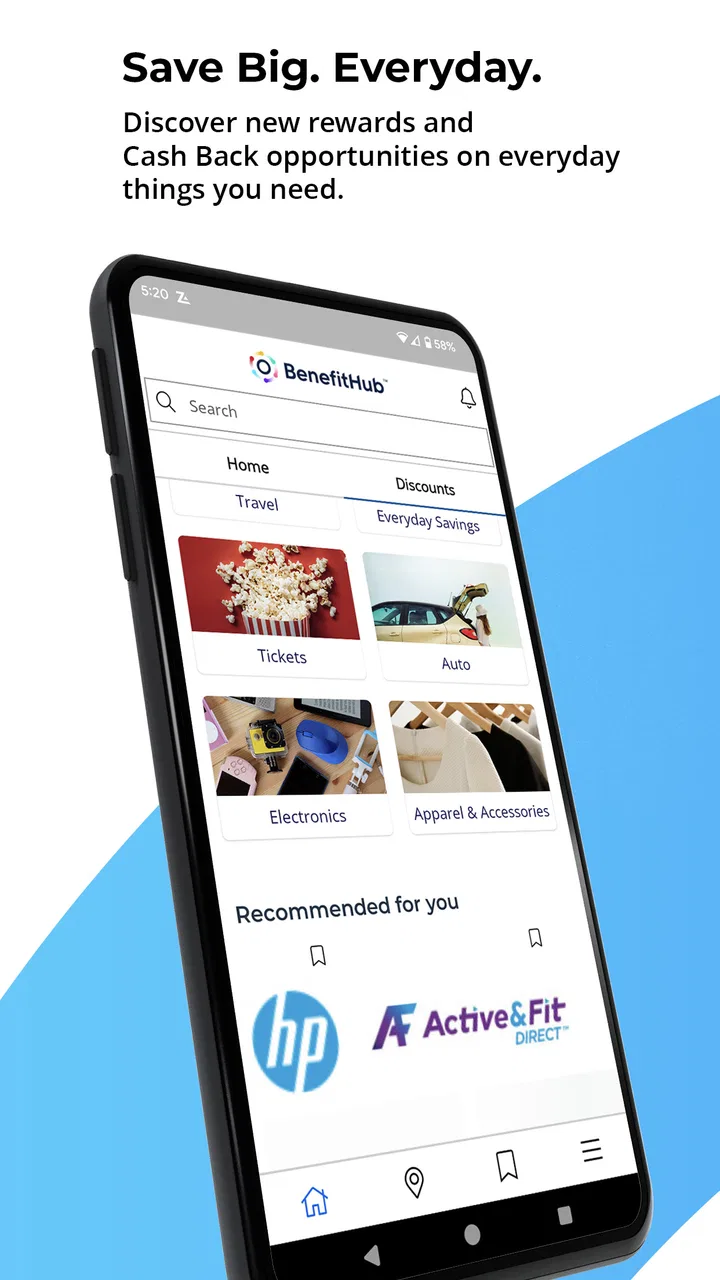
BenefitHub is a comprehensive platform that provides employees access to exclusive discounts, rewards, and benefits. Users can browse through categories like travel, entertainment, and shopping to find deals. Once you sign up, you can access personalized offers and make purchases directly through the app or website.
02Is BenefitHub free to use?
Yes, BenefitHub is free for users who are part of a participating organization. Companies partner with BenefitHub to offer this service to their employees at no additional cost. However, depending on your purchases, you may encounter fees associated with specific offers or services.
03What types of discounts and benefits can I find on BenefitHub?
BenefitHub offers a wide range of discounts and benefits, including travel deals, shopping discounts, restaurant offers, and entertainment tickets. The app continuously updates with new promotions, ensuring users have access to the latest and most relevant deals tailored to their preferences.
04How secure is my personal information on BenefitHub?
BenefitHub prioritizes user security by implementing robust data protection measures. Your personal information is encrypted and stored securely. The platform adheres to strict privacy policies to ensure your data is not shared without your consent, providing peace of mind while you explore and use their services.
05Can I access BenefitHub from any device?
Yes, BenefitHub is accessible from multiple devices, including smartphones, tablets, and computers. The platform is available as a mobile app for both Android and iOS, and it can also be accessed through a web browser, allowing you to conveniently explore deals and benefits from anywhere.
Pros
- Offers a wide range of discounts and deals.
- User-friendly interface with easy navigation.
- Regular updates with new offers and features.
- Available on both Android and iOS platforms.
- Secure and reliable payment options.
Cons
- Limited availability in certain regions.
- Some deals have short expiration periods.
- Requires account creation to access features.
- Occasional loading issues on older devices.
- Notifications can be frequent and intrusive.

BenefitHub
Gallery